Global Partnerships & Faculty Led Programming
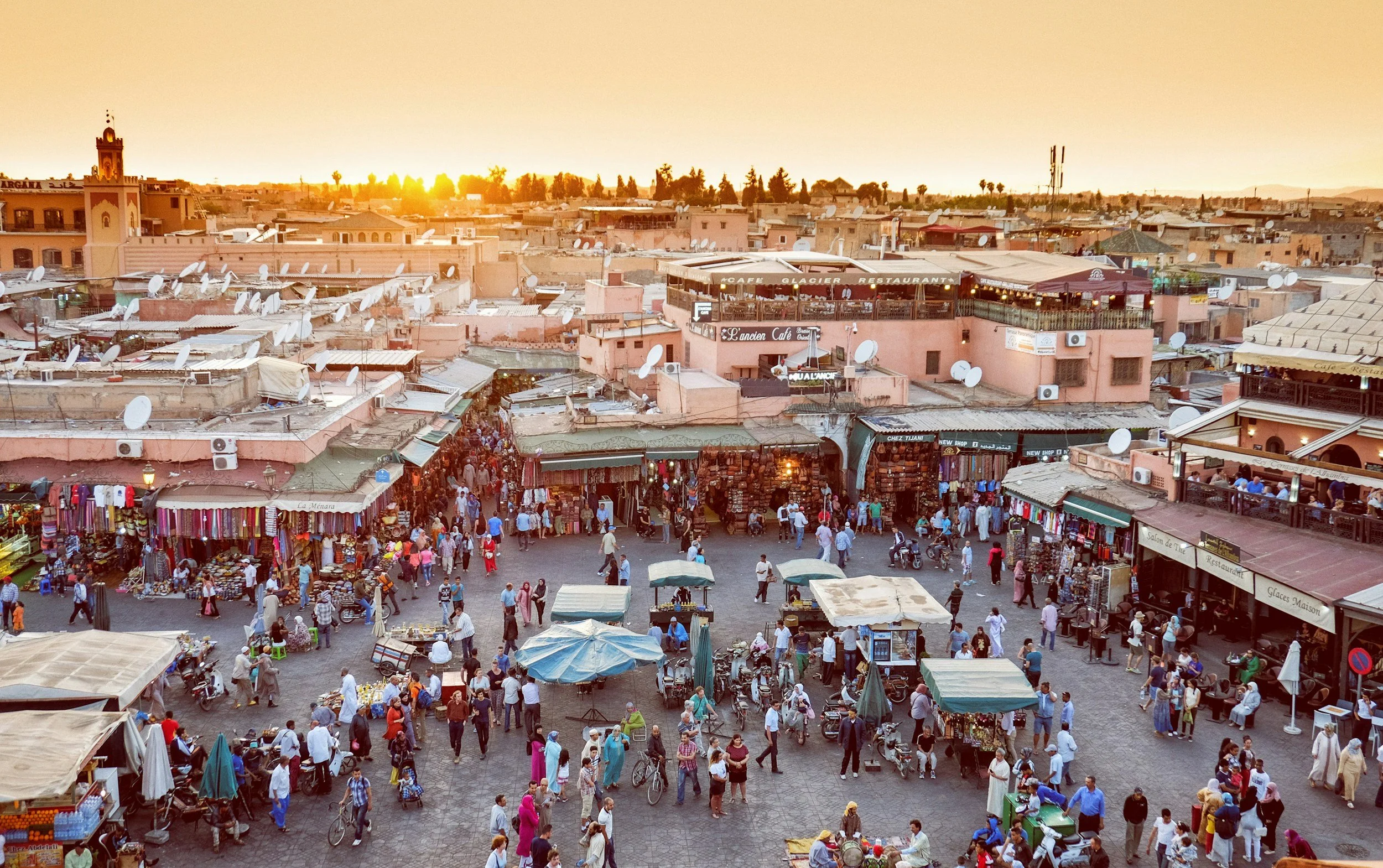
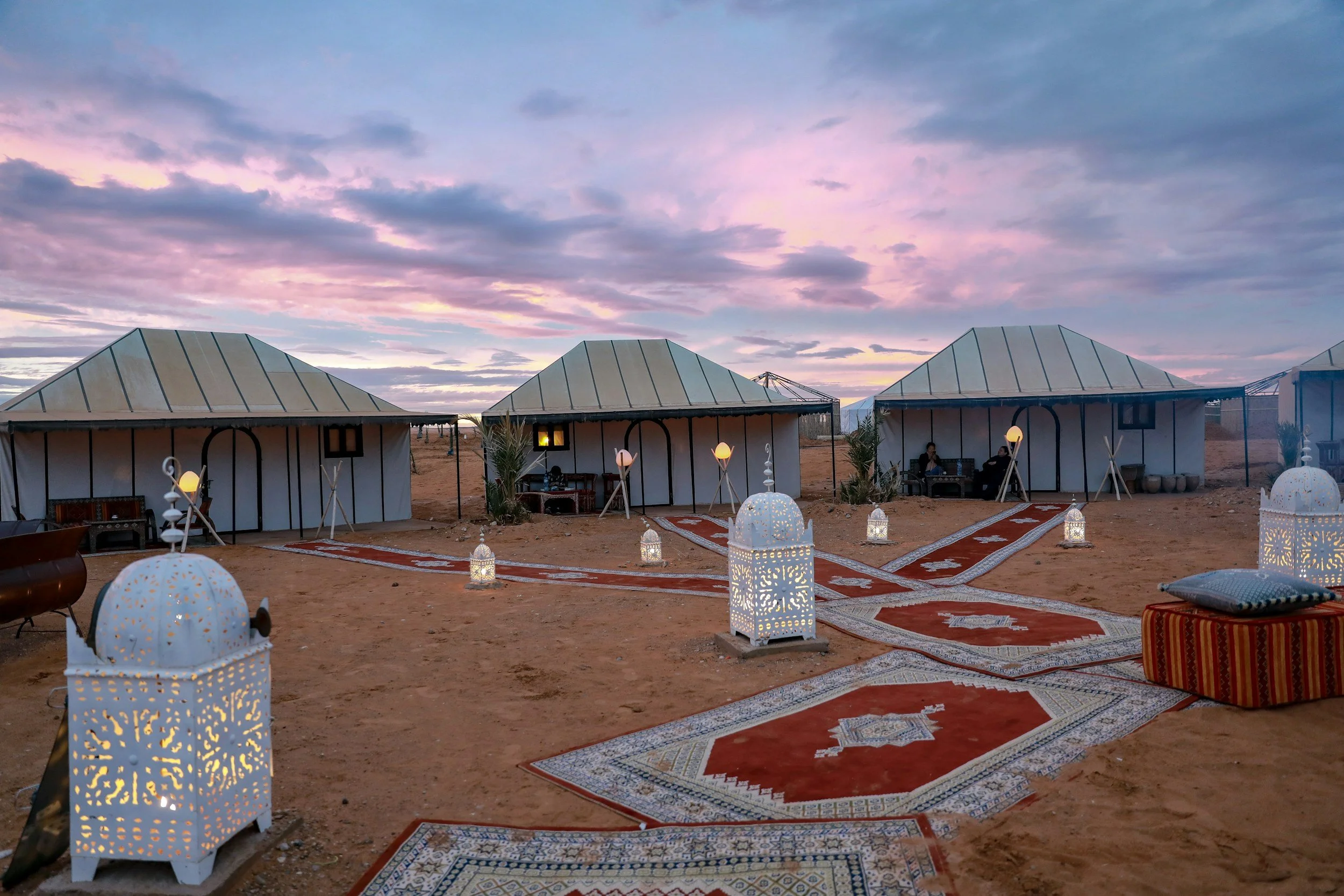
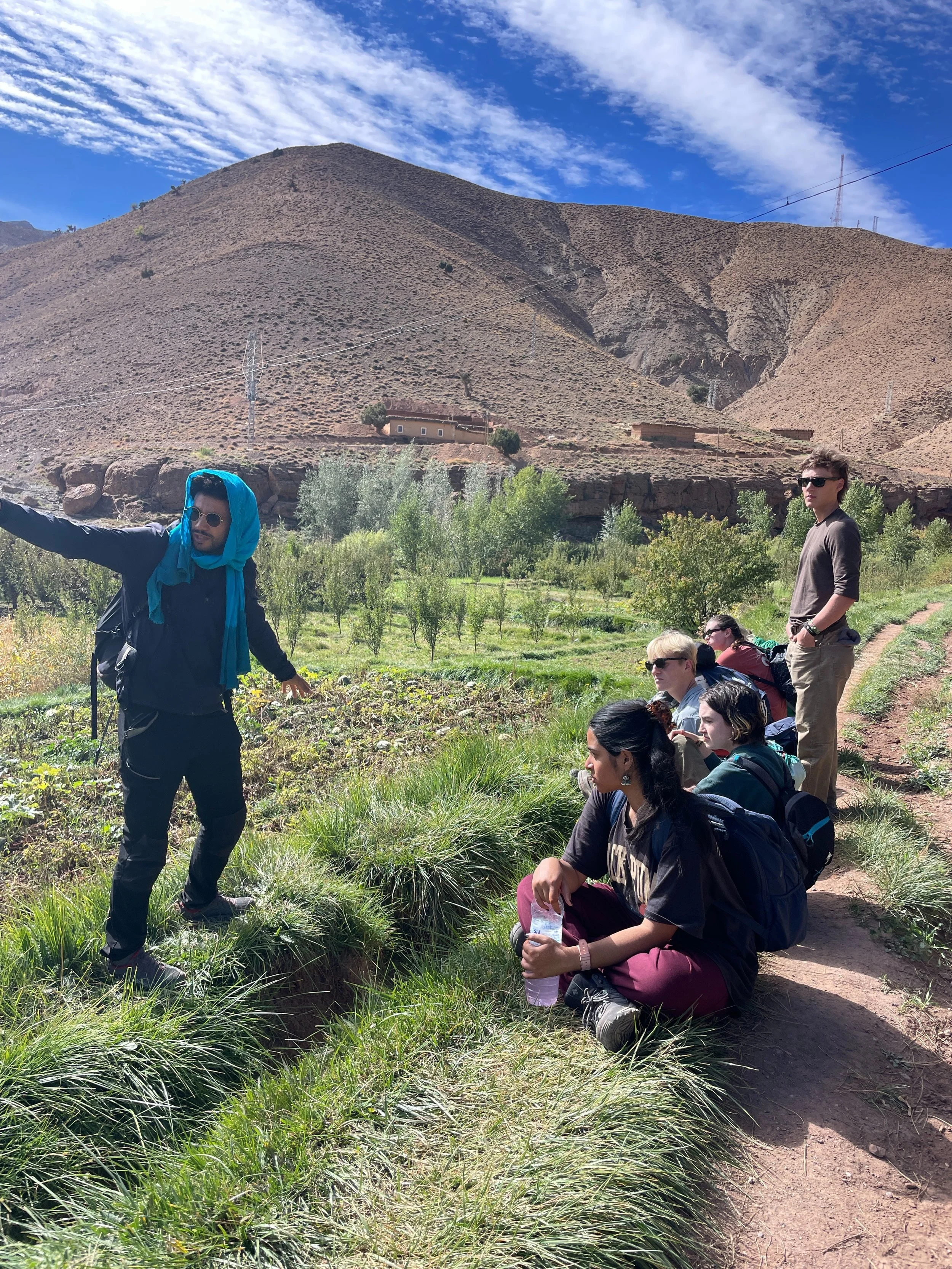
Hikayat Institute for Language and Society partners with universities, faculty, schools, and educational organizations to design immersive, place-based programs in Morocco that bring together language study, critical inquiry, and experiential learning.
We work collaboratively with partners to create programs that move beyond conventional educational travel, supporting students and faculty in engaging Morocco through deeper historical, cultural, linguistic, and relational perspectives.
We build programs in conversation with faculty and institutions, tailoring experiences to academic goals, disciplines, and student needs.
Collaborative Program Design Process
-
We work together to set goals and learning objectives for your program.
Choose between Modern Standard Arabic, Moroccan Darija, and/or Tamazight. Our programs can be focused on a single language track or a combination of our language offerings.
-
After learning more about your goals and objectives, we work to put together a program proposal.
-
-
Item description
-
Item description
WHY PARTNER WITH US?

Language, lived:
We teach language as it is spoken, experienced, and navigated in real life.
Multilingual by design:
Arabic, Darija, and Tamazight are engaged together - not in isolation.
Rigor + experience:
Structured learning paired with real-world application.
Beyond immersion:
Reflection and inquiry are central to our programming.
Thoughtful engagement:
Programs rooted in respect, reciprocity, and cultural awareness.
Designed, not templated:
Every program is intentionally handcrafted.
Learning through connection:
Language as a pathway to people, place, and community.
Skills that carry forward:
Communication, awareness, and adaptability beyond the program.
Sample Programs & Itineraries
Rabat Language Residency Program
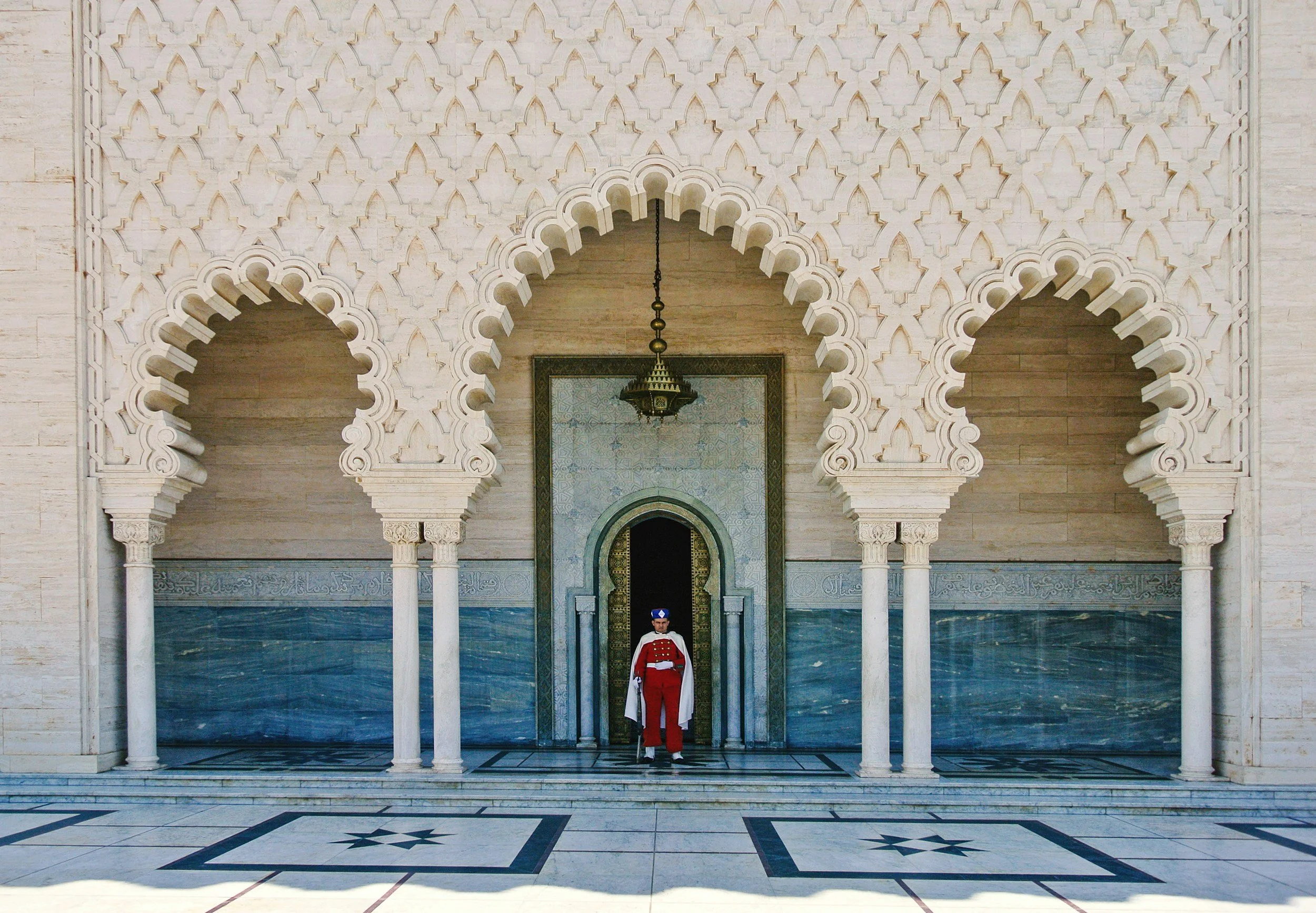
Based in Morocco’s capital city, this program combines intensive language study with experiential learning through internships, community partnerships, and engagement with local organizations. Students live and learn in Rabat while developing deeper cultural understanding through daily interaction, independent exploration, and professional or community-based experiences. The program is particularly well-suited for students interested in global studies, international development, migration, education, nonprofit work, or immersive language acquisition.
-
Students begin their program in Rabat with an orientation to the city, program structure, and key cultural and linguistic contexts. Intensive language classes establish foundational skills in Standard Arabic or Moroccan Darija, with emphasis on communication, listening, and everyday interaction.
Alongside classroom learning, students are introduced to Rabat through guided neighborhood walks and cultural site visits, helping them begin to understand the city as a living learning environment. This week focuses on building confidence, establishing routines, and preparing for deeper community engagement.
-
Language learning becomes increasingly integrated into daily life as students begin engaging more actively with Rabat beyond the classroom. Intensive instruction continues, with growing emphasis on conversational fluency and practical application.
Students are introduced to internship placements or partner organizations aligned with their academic interests, such as education, migration, development, or nonprofit work. Initial visits and meetings begin, allowing students to observe, listen, and understand organizational contexts before active participation.
-
Students deepen their engagement with their internship or community placement, contributing more actively while continuing to develop language skills in real-world contexts. This week emphasizes applied learning, observation, and participation within Moroccan professional and civic spaces.
Language instruction supports students in navigating more complex communication, reflecting on workplace interactions, and building sector-specific vocabulary. Group reflection sessions help connect lived experience with broader themes in global studies and intercultural learning.
-
The final week focuses on synthesis and reflection. Students continue their language learning while stepping back to critically engage with their experiences in Rabat. Emphasis is placed on integrating classroom learning, community engagement, and internship experiences into a cohesive understanding of language and place.
Students participate in structured reflection sessions, share insights from their placements, and explore how their learning connects to their academic or professional pathways. The program concludes with a focus on continuity—supporting students in carrying their language learning forward beyond Morocco.
-
Students begin their journey in Morocco’s capital city, Rabat, where the program opens with orientation, intensive language instruction, and an introduction to the learning approach. These first days focus on building foundational skills in Standard Arabic while helping students situate themselves within Morocco’s linguistic and cultural landscape.
Alongside classroom-based learning, students begin to experience Rabat as a living classroom through guided walks, cultural visits, and everyday engagement with public space. This phase establishes key themes of the program: language as practice, place-based learning, and cultural observation.
-
Students travel north to Tangier, a historic port city shaped by movement, exchange, and multilingualism. Here, language learning is paired with exploration of literary and cultural history, as well as reflection on Morocco’s position as a global crossroads.
The journey continues to Tetouan, where students engage more deeply with artisanal traditions and medina-based learning. Through workshops with craftspeople and guided cultural encounters, students explore the relationship between language, material culture, and inherited knowledge systems. This stage emphasizes listening, observation, and contextual language use in culturally rich environments.
-
Students travel through Volubilis, engaging with Morocco’s layered historical landscapes, before continuing to Fes, one of the country’s most significant centers of learning and cultural heritage.
In Fes, students enter a deep immersion phase, combining intensive Standard Arabic instruction with guided exploration of the medina and its intellectual, spiritual, and artisanal traditions. Learning focuses on historical continuity, knowledge transmission, and the ways language carries cultural memory across generations.
-
The final stage of the program takes place in Casablanca, where students engage with contemporary Moroccan life, urban culture, and modern forms of expression. Language learning emphasizes real-world communication in a dynamic, fast-paced city environment.
The program concludes with a structured reflection and transference phase, where students synthesize their experiences across regions. This includes guided reflection on language development, cultural understanding, and personal learning, with an emphasis on carrying insights forward into future academic, professional, or personal pathways.
Northern Morocco Language & Cultural Heritage Journey
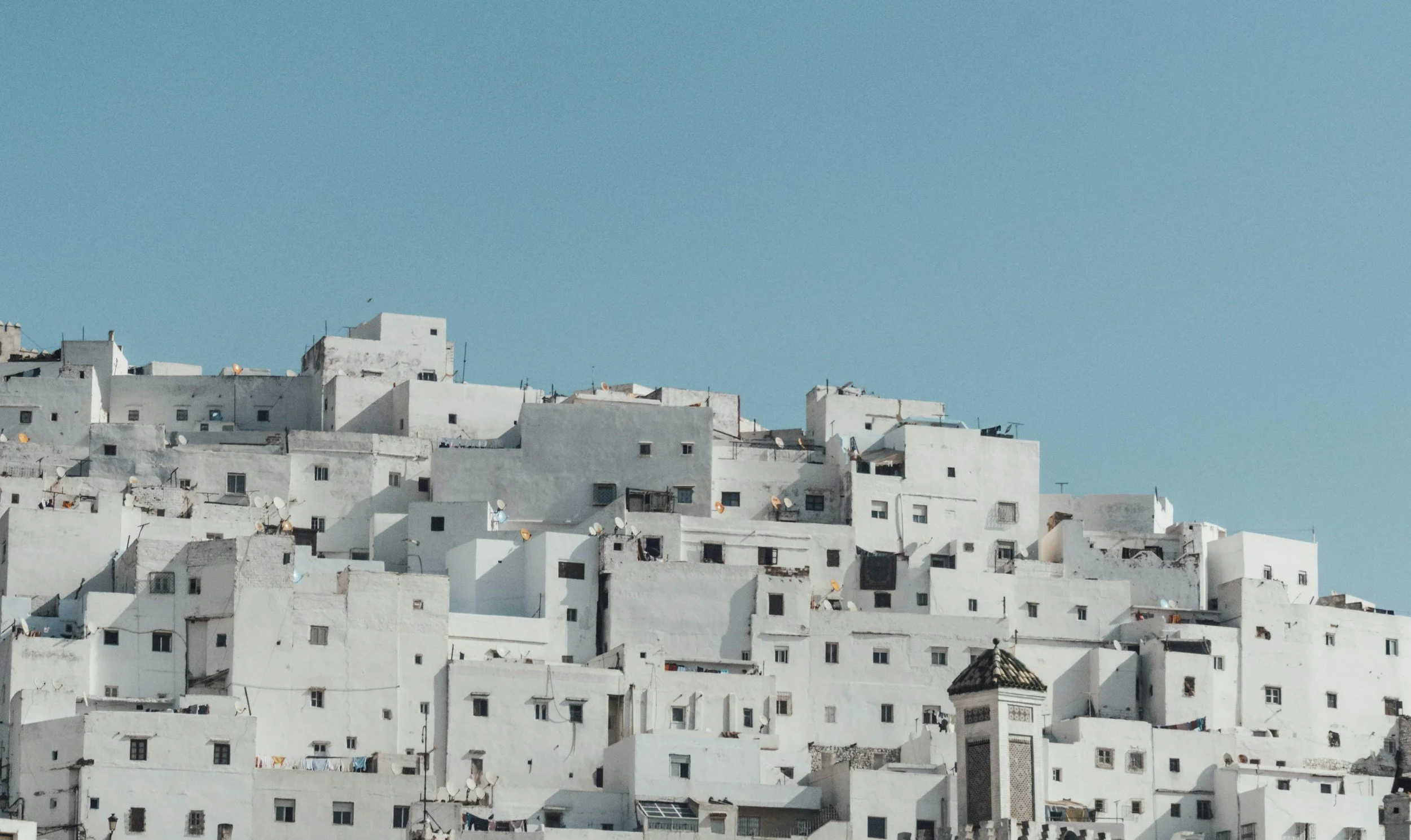
This traveling program explores Morocco’s northern cultural corridor through Rabat, Tangier, Tetouan, Fes, and Casablanca. Designed with a stronger emphasis on Standard Arabic, the program combines language learning with historical and cultural exploration. Students engage with Morocco’s artistic and intellectual traditions through artisanal workshops, visits with craftspeople, architecture and medina studies, and conversations surrounding heritage, identity, and cultural preservation.
Indigenous Morocco: Amazigh Histories, Language & Identity
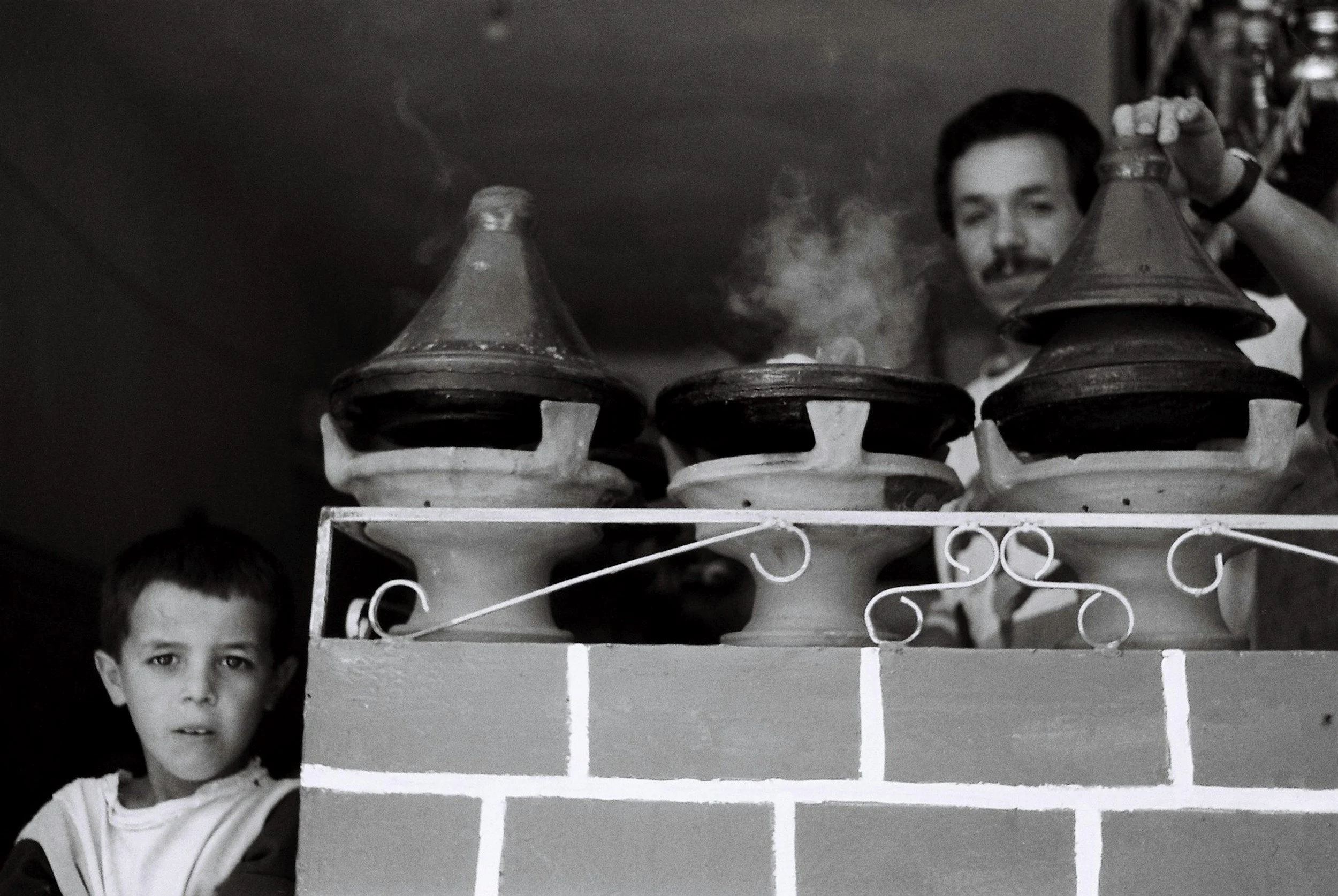
Centered on Indigenous history and contemporary Amazigh cultural life, this program examines Morocco through the lens of language, identity, oral traditions, and cultural resilience. Students are introduced to Tamazight and explore its deep influence on Moroccan Darija, while engaging with local communities, storytelling traditions, music, foodways, and discussions surrounding indigeneity, language revitalization, and cultural preservation in modern Morocco.
-
Students begin in Rabat with program orientation and an introduction to the central themes of Indigenous history, language, and cultural identity in Morocco. Initial language instruction introduces key foundations in Tamazight alongside contextual learning about Morocco’s broader multilingual landscape and the relationship between Tamazight, Darija, and Standard Arabic.
Alongside classroom-based sessions, students engage with Rabat as a living classroom through guided walks and cultural visits that situate language within contemporary urban life, public space, and institutional history. These first days establish a reflective framework for thinking about language, identity, and representation.
-
Students travel to Marrakech, where learning shifts into a more immersive engagement with oral traditions, storytelling, and cultural expression. Language learning continues alongside exploration of Amazigh influence within urban Moroccan life, particularly in music, foodways, and everyday communication.
Students engage in guided cultural encounters that highlight the intersections of history, identity, and lived experience, while also observing how Indigenous heritage is expressed within a dynamic and contemporary city context.
-
The program moves into the Atlas region, where students spend time in Azilal and surrounding areas engaging more directly with Amazigh-speaking communities. This phase emphasizes immersive cultural and linguistic learning through daily interaction, observation, and guided engagement.
Students deepen their introduction to Tamazight in context, exploring how language is lived and transmitted across generations. Learning focuses on oral storytelling traditions, community knowledge systems, and the relationship between language, landscape, and identity.
-
In the Aït Bouguemez Valley, students enter a deeper phase of immersion within rural Amazigh communities. This stage emphasizes relational learning, where language is practiced through daily life, shared meals, storytelling, and participation in community rhythms.
Students explore themes of cultural preservation, Indigenous knowledge systems, and the ongoing revitalization of Tamazight. Reflection is integrated throughout, encouraging students to consider the ethics of representation, the role of language in cultural continuity, and their own positionality within these spaces.
-
The program concludes with a return journey and structured reflection session. Students synthesize their experiences across urban and rural contexts, connecting language learning with Indigenous histories, cultural resilience, and lived experience.
This final day focuses on integration—supporting students in articulating what they have learned about language, identity, and place, and how these insights extend beyond the program into future academic, professional, and personal pathways.
Let’s Collaborate!
Tell us more about your institution, group, or program goals so we can begin designing a meaningful learning experience together. This form helps us better understand your interests, learning objectives, preferred program structure, and potential timelines for partnership programming in Morocco.
Whether you are exploring faculty-led travel, language intensives, internships, experiential education, or customized academic programming, we look forward to collaborating with you to create a program grounded in language, culture, and place-based learning.