
WHERE LANGUAGE LEARNING
BECOMES A LIVED EXPERIENCE
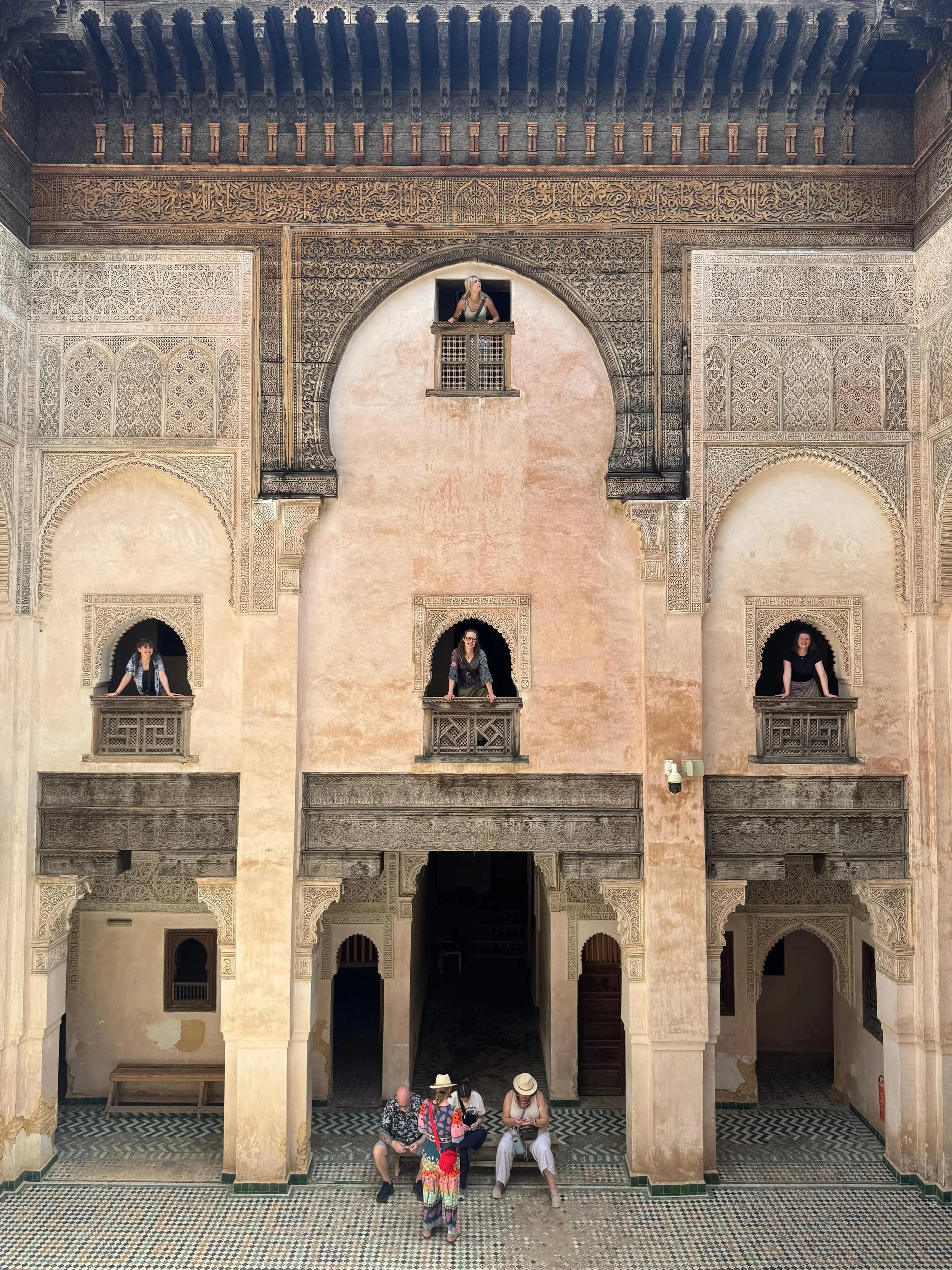
At Hikayat Institute, learners choose a primary language focus based on their goals - whether that is Modern Standard Arabic, Moroccan Darija, Tamazight, or an integrated multilingual approach. From there, pathways can remain specialized or expand through hybrid study that combines additional languages, perspectives, and place-based learning experiences. Rather than treating languages as isolated systems, we invite learners to build a pathway that reflects how language is actually lived in Morocco: layered, relational, and deeply connected to history, identity, and place.

OUR APPROACH TO LANGUAGE LEARNING
-
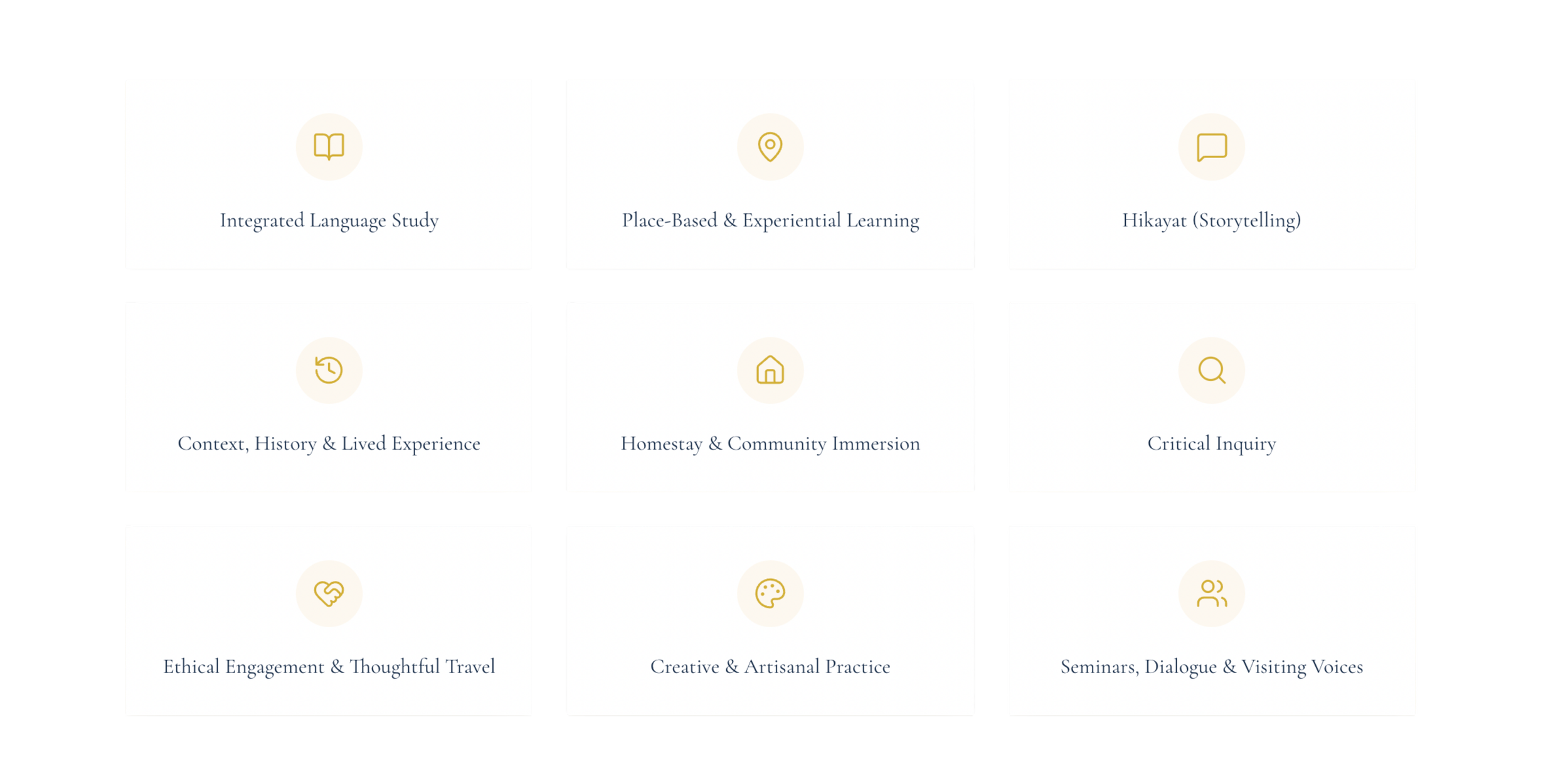
Rooted in the spirit of hikayat, we view storytelling as a powerful way of understanding the world. Students engage with oral traditions, personal narratives, and cultural expression, using language as a tool to listen, interpret, and share meaning.
-
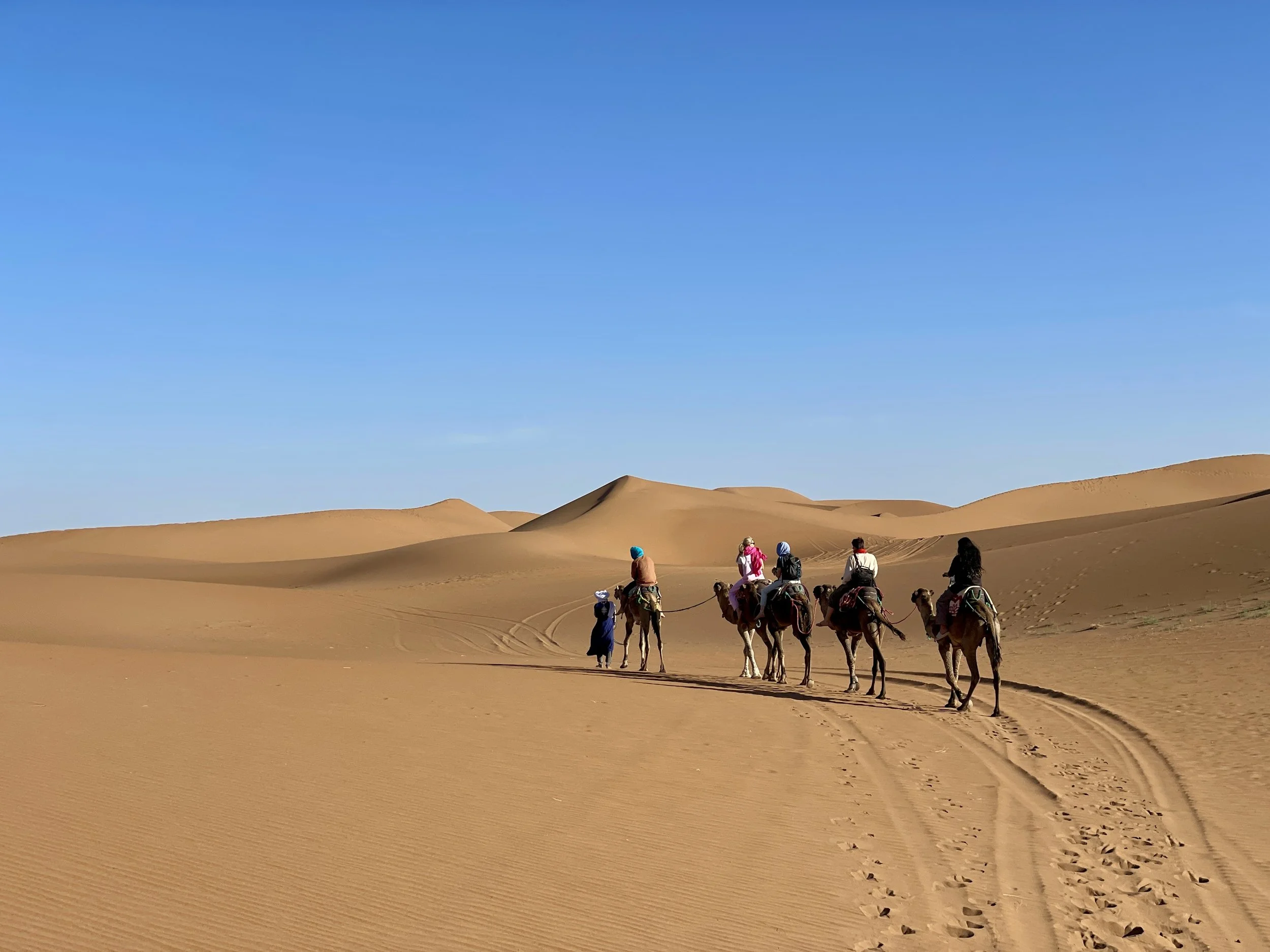
We ground language study in the landscapes and communities of Morocco while centering the country's rich linguistic diversity. Our approach connects students to the relationships between Modern Standard Arabic, Darija, and Amazigh languages, developing a deeper understanding of how language shifts across geography, culture, and social space, and learning to navigate multilingual communication in real-world settings.
-
We encourage students to think critically about language, identity, and power. Through guided reflection and discussion, participants examine how history and society shape the way language is used and understood.
-
Each program is thoughtfully designed to align with the specific goals, interests, and learning levels of its participants. From language instruction to experiential activities, we intentionally craft curricula that integrate customized learning objectives with meaningful, place-based experiences, ensuring that every aspect of the program supports both individual growth and collective learning.
-
We prioritize respectful, reciprocal engagement with the communities we learn from. Students are guided to approach language learning with humility, awareness, and a commitment to honoring local knowledge and lived experience.
PROGRAM COMPONENTS
PROGRAM FLOW
-
All Hikayat programs begin by situating participants within the cultural, linguistic, and social contexts that shape their learning. Through guided discussions, goal-setting, and language pledges, participants reflect on their intentions and establish a shared foundation for engagement. This phase introduces key concepts in language study and Morocco's multilingual landscape, while also building community and setting expectations for thoughtful, respectful participation.
-
Learning moves from theory into practice. Participants apply their language skills through a combination of instruction, dialogue, and experiential engagement—whether through community interaction, site-based learning, workshops, or real-world communication. Structured activities and guided inquiry support learners in navigating complex linguistic and cultural environments, using language as a tool for connection, observation, and understanding.
-
The final phase centers on reflection, synthesis, and continued growth. Participants revisit their initial goals, assess their progress, and consider how their experiences have shaped their understanding of language, culture, and identity. Through discussion, storytelling, and applied exercises, learners explore how to carry their knowledge forward—integrating new skills and perspectives into future study, work, and everyday life.
LEARNING OBJECTIVES
Develop practical communication skills in Arabic, Moroccan Darija, and/or Tamazight through immersive and experiential learning environments
Build confidence navigating multilingual and intercultural settings in Morocco and North Africa
Understand the relationships between language, culture, identity, history, and everyday life
Engage thoughtfully and ethically with local communities through relationship-centered learning and cultural exchange
Strengthen intercultural communication, observation, and critical reflection skills
Examine how language reflects broader social, political, and historical dynamics within Moroccan society
Gain deeper familiarity with Morocco’s linguistic diversity, including the interactions between Arabic, Darija, Tamazight, French, and regional language varieties
Apply language learning in real-world contexts through travel, homestays, workshops, and community engagement
Develop greater cultural awareness, adaptability, and curiosity through immersive experiences across Morocco
Reflect critically on questions of representation, tourism, identity, and global engagement
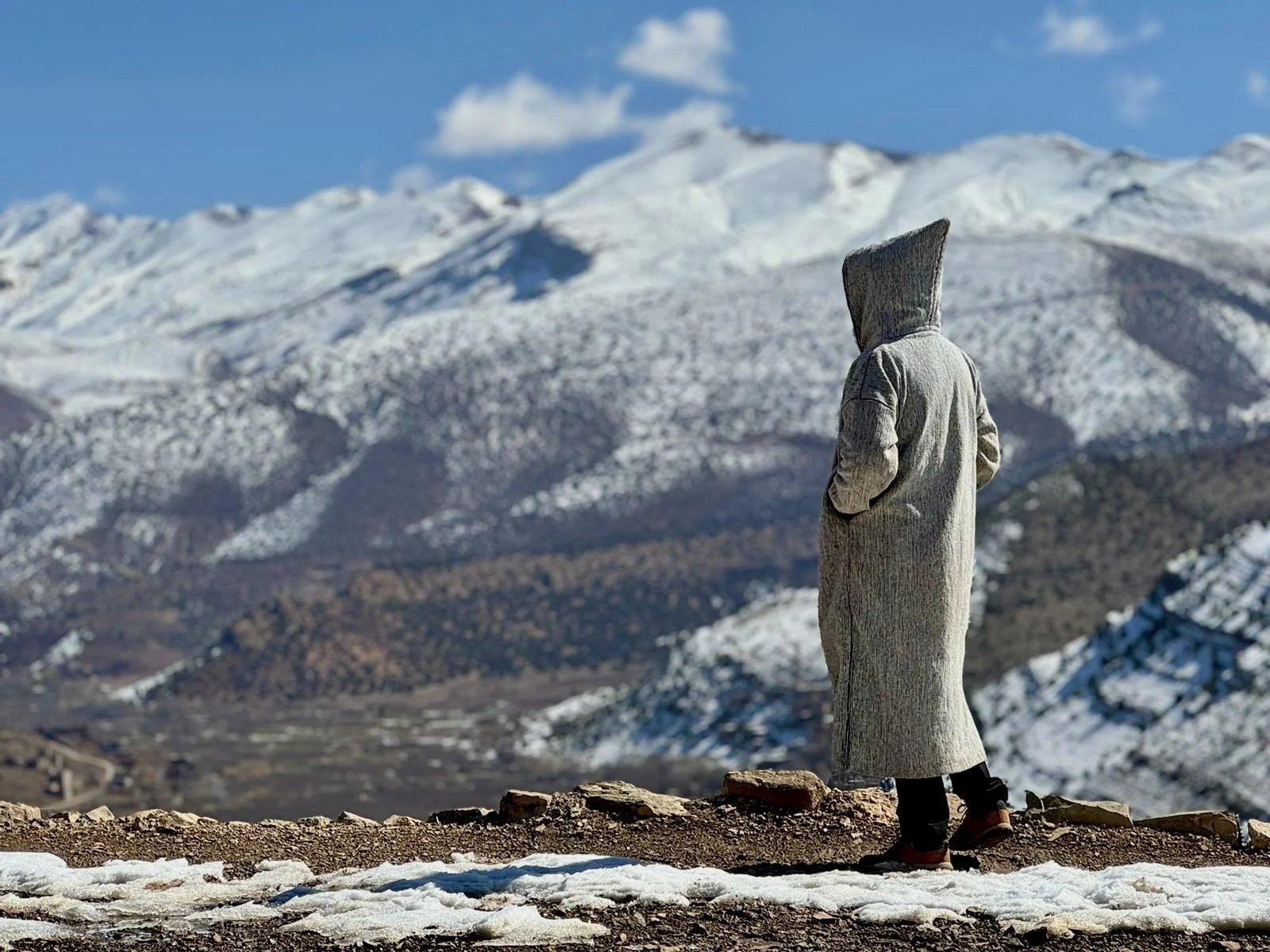
Learn through place-based experiences that connect classroom instruction with lived cultural realities
Foster meaningful connections with people, communities, and environments through collaborative and experiential learning approaches
Explore Morocco and North Africa through interdisciplinary lenses including language, history, anthropology, migration, Indigenous studies, and cultural preservation
Strengthen independent learning skills, confidence, and openness to unfamiliar environments and perspectives