

HIKAYAT INSTITUTE FOR LANGUAGE & SOCIETY
COURSES & PROGRAMS
NOW ENROLLING
The Hikayat Experience
At Hikayat, we offer language programs grounded in experiential education, cultural engagement, and meaningful human connection. Our courses combine classroom learning with opportunities to practice language through daily life, travel, community interaction, and place-based experiences across Morocco.
We offer both intensive language courses and immersive travel-learning programs designed for students, researchers, educators, heritage learners, and curious travelers alike. Recognizing that language in Morocco is layered and interconnected, we also encourage students to combine language tracks — including Standard Arabic, Darija, and Tamazight — to develop deeper cultural understanding and more nuanced communication skills.
Modern Standard Arabic connects learners to a rich literary, academic, and global tradition while also providing a strong foundation for communication across the Arabic-speaking world. Our approach to teaching MSA emphasizes meaningful communication, cultural context, and practical language use alongside grammar and literacy development.
Darija is the language of everyday life in Morocco — shaped by history, movement, and cultural exchange. We teach Darija through conversation, real-world interaction, and cultural immersion, helping learners build confidence engaging with communities, daily life, and contemporary Moroccan society.
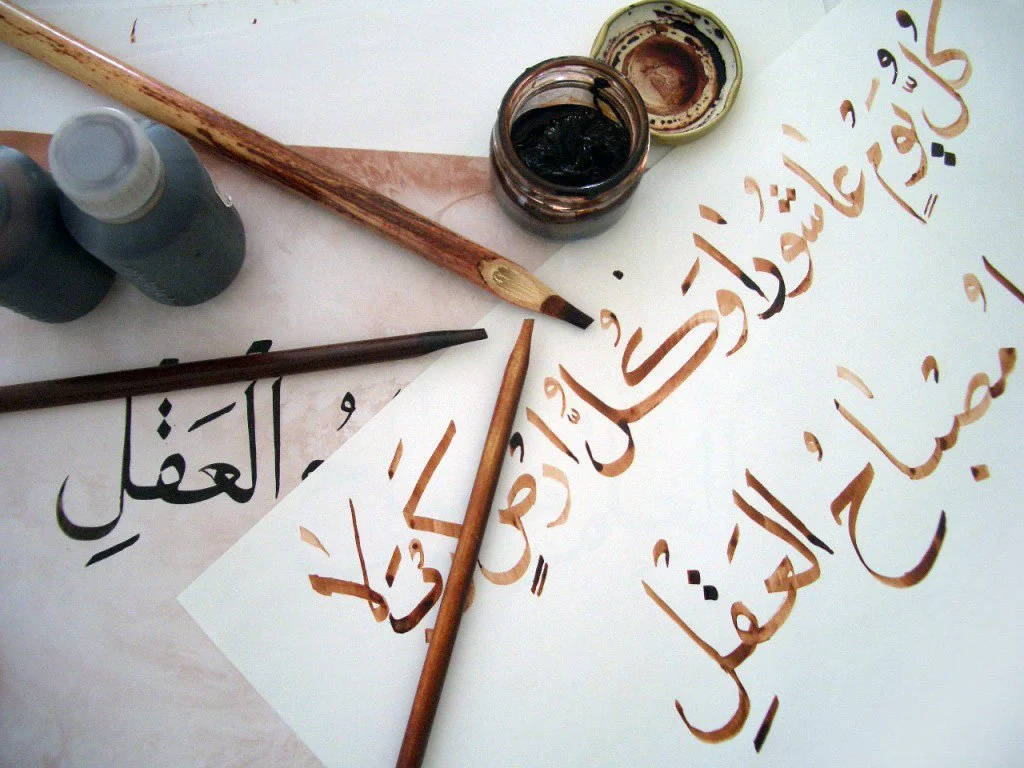
Tamazight is an Indigenous language of North Africa and an essential part of Morocco’s cultural and linguistic landscape. Our approach to Tamazight learning centers cultural preservation, local knowledge, and community connection, introducing students to both language and the histories and stories carried within it.
BUILD YOUR LANGUAGE STORY
Students choose a primary language focus based on their goals - whether that is Modern Standard Arabic, Moroccan Darija, Tamazight, or an integrated multilingual approach. From there, pathways can remain specialized or expand through hybrid study that combines additional languages, perspectives, and place-based learning experiences. Rather than treating languages as isolated systems, we invite learners to build a pathway that reflects how language is actually lived in Morocco: layered, relational, and deeply connected to history, identity, and place.
HYBRID PROGRAMS
Learners can combine pathways to deepen perspective and build a more layered experience. Pair MSA with Darija to move between formal and everyday registers. Combine Darija with Tamazight for deeper regional immersion. Add multilingual study to an MSA intensive for sociolinguistic context. Hybrid pathways are designed collaboratively around your goals and can integrate multiple languages, thematic study, and place-based learning.
Sample Hybrid Pathways
MSA + Darija: Formal Arabic and everyday communication
Darija + Tamazight: Regional immersion and community language learning
MSA + Multilingual Track: Arabic study through Morocco’s linguistic ecology
Custom Pathway: Build a program around your goals
Hikayat’s language school is based in the heart of Rabat and offers focused, academically grounded and experiential instruction in Modern Standard Arabic, Moroccan Darija, and Tamazight. Courses are designed to support learners at all levels.
Whether students are preparing for academic study, travel, research, professional work, or everyday life in Morocco, our programs emphasize practical communication, cultural understanding, and meaningful engagement with language in context.
We offer:
Private lessons tailored to individual goals, pacing, and interests
Small-group classes that encourage interactive and collaborative learning
Flexible scheduling and customizable lesson hours for short- and long-term learners
Beginner to advanced instruction in Modern Standard Arabic, Moroccan Darija, and Tamazight
Contextual and communication-based learning focused on real-world usage rather than memorization alone
Experiential language practice through guided activities, workshops, and engagement throughout Rabat
Supportive learning environments that meet students where they are in their language journey
Combined language tracks for students interested in exploring the relationships between MSA, Darija, and Tamazight
Cultural and place-based learning opportunities integrated into coursework and daily life
Our teaching approach recognizes that language learning is not linear and that every student arrives with different experiences, learning styles, and motivations. We work closely with learners to create programs that feel engaging, accessible, and rooted in the realities of communication and cultural exchange in Morocco today.
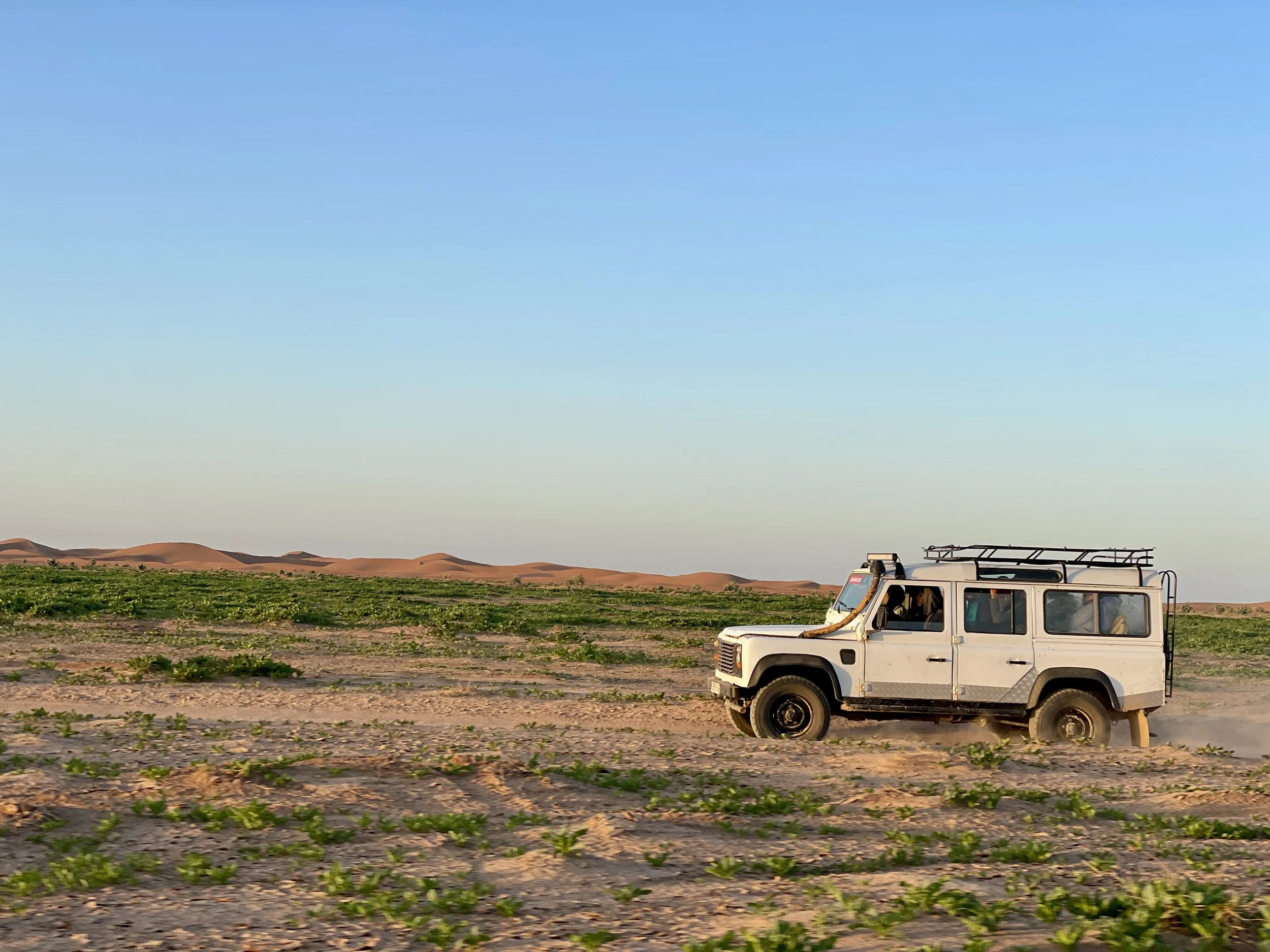
Our travel programs are designed as immersive learning journeys where language is practiced through place, relationship, movement, and everyday encounter.
Rather than treating travel as cultural consumption, our programs invite participants to engage Morocco through deeper forms of listening, exchange, and inquiry. Whether walking medinas, sharing tea in village homes, navigating public life in Darija, or learning regional histories through Tamazight-speaking landscapes, travel becomes part of how language is lived.
Our journeys combine experiential education, critical place-based learning, and language study to help participants develop not only communicative skills, but a richer understanding of context, culture, and connection.
Who are our Travel & Learn programs for?
Our Travel & Learn programs are designed for students, educators, travelers, and globally curious learners seeking deeper engagement with Morocco through language, culture, and experiential education. While each program has its own thematic and academic focus, our learning experiences are intentionally interdisciplinary and accessible to participants from a wide range of backgrounds and experience levels.
These programs are particularly well-suited for:
University students and faculty-led groups
Arabic, Darija, and Tamazight language learners
Students of global studies, anthropology, history, migration, and religious studies
Educators and researchers interested in experiential learning and North Africa
Heritage learners seeking cultural and linguistic connection
Travelers interested in ethical, immersive, and place-based learning experiences
No prior experience in Arabic or Darija is required for many of our programs. What matters most is curiosity, openness to learning, and a willingness to engage thoughtfully with new environments, perspectives, and communities.
FEATURED UPCOMING TRAVEL PROGRAM
Arabic + Darija in Context: Multilingualism, Identity, & Power in Morocco
15 DAYS | 26 July - 9 August 2026 | Travel & Learn
Choose your language focus: Standard Arabic or Darija
Travel with us from Rabat to Chefchaouen, the Rif, Volubilis, Fes, and Casablanca
Small group immersion
Language pledge
All language levels welcome
1 Week of homestay accommodations
-
Students arrive in Rabat and begin the program with orientation, community building, and an introduction to Morocco’s multilingual landscape. The opening seminar situates Arabic, Moroccan Darija, and Tamazight within broader historical, political, and social contexts, including the influence of French and Spanish colonial histories.
Students then begin their chosen language track (Modern Standard Arabic or Moroccan Darija) through intensive small-group instruction focused on communication, listening, and practical vocabulary. Learning is immediately grounded in lived experience through homestay orientation, cultural introduction, and early engagement with everyday Moroccan life.
-
Language study continues with daily intensive instruction focused on speaking, listening, and real-world communication. Students begin to move between classroom learning and everyday immersion through structured cultural experiences.
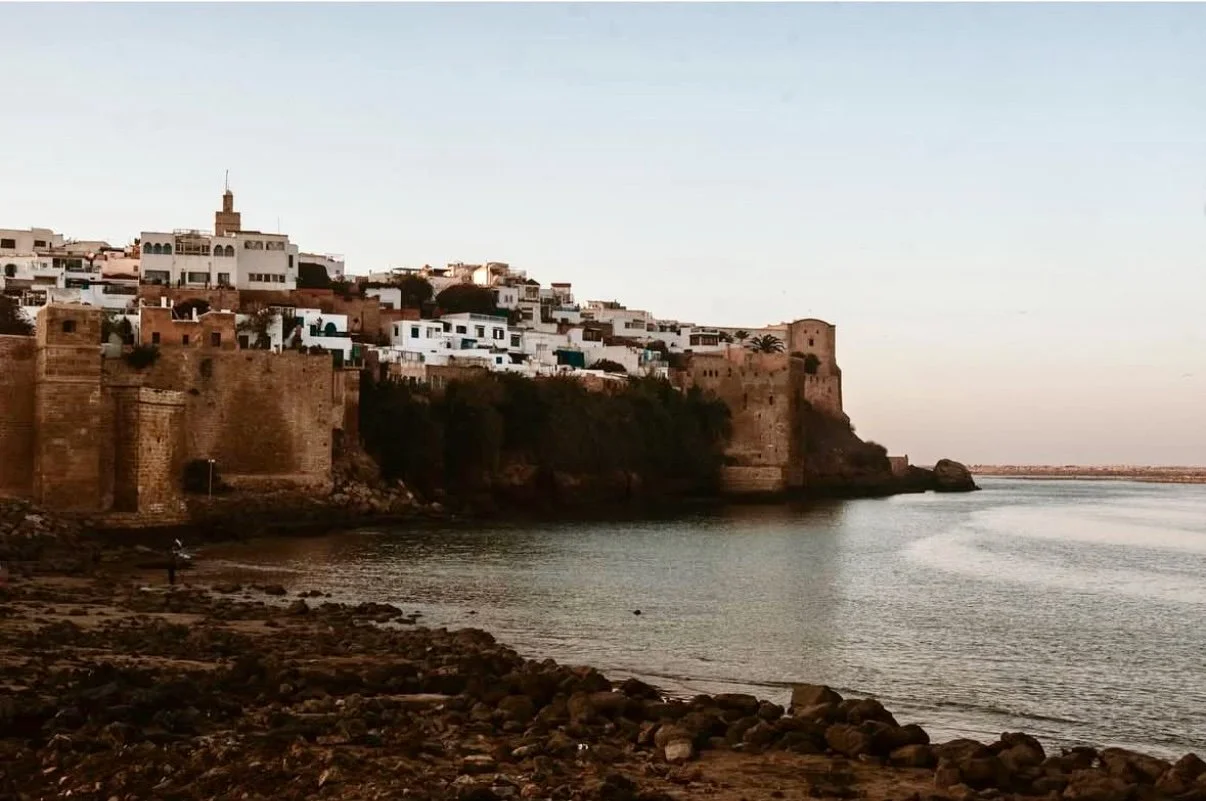
This phase includes participation in a Moroccan cooking workshop, shared meals, and a traditional henna gathering, offering opportunities to engage with language through cultural practice and social interaction. Students also explore key historical sites in Rabat, including guided visits through the Kasbah of the Oudayas, while continuing to strengthen relationships with homestay families through informal daily exchange.
The final day in Rabat includes a seminar on Morocco’s linguistic diversity, preparing students for travel by deepening their understanding of how languages coexist and shift across regions.
-
Students travel north to Chefchaouen in the Rif Mountains, where they begin to observe regional linguistic variation and the influence of Spanish and Amazigh languages on local Darija.
In Chefchaouen, students explore the medina, engage with local artisans, and participate in hands-on cultural workshops such as weaving or food production. The program then continues into the Rif Mountains, where students experience a slower rural rhythm of life and begin to encounter Amazigh cultural landscapes more directly.
This phase emphasizes observation, listening, and cultural adaptation as students move between urban and rural linguistic environments.
-
Students engage more deeply with Amazigh culture through a seminar led by a guest speaker introducing the history, language traditions, and cultural practices of the Rif region. This includes exposure to the Tifinagh writing system and discussions on the relationship between Amazigh languages and Arabic in Morocco.
Time in the mountains is structured around cultural learning, landscape engagement, and reflection. Students explore how language is embedded in place, community, and historical memory while continuing to observe linguistic diversity in everyday interaction.
-
Students travel south through Volubilis, where they engage with Morocco’s Roman and pre-Islamic Amazigh history, before continuing to Fes, one of the country’s most significant centers of learning and cultural heritage.
In Fes, learning becomes deeply immersive within the medina. Students participate in guided exploration activities, including a language-based scavenger hunt that encourages real-world interaction. Visits to historical neighborhoods, including the Mellah, provide insight into Morocco’s Jewish heritage and multilingual past.
This phase also includes experiential learning in artisan workshops, such as zellige tilemaking, where students connect language learning with craft, tradition, and material culture.
-
The final stage of the program takes place in Casablanca, where students engage with Morocco’s contemporary urban and economic landscape. A visit to the Hassan II Mosque provides insight into religious architecture, cultural identity, and modern Moroccan society.
The program concludes with a final language session and structured reflection, where students synthesize their experiences across regions, linguistic environments, and cultural contexts. This closing phase emphasizes integration—connecting language learning with broader questions of identity, history, and lived experience.
Students depart with strengthened Arabic or Darija skills, a deeper understanding of Morocco’s multilingual society, and a grounded experience of language as something lived across place, relationship, and movement.
Limited Spaces Available

2 Weeks: Language Intensive & Travel in Morocco
Location: Rabat, Chefchaouan, Rif Region, Volubilis, Fes, Casablanca
This two-week experiential language program is designed for students, educators, and globally curious learners who want to deepen their understanding of Arabic and Moroccan Darija while exploring Morocco’s rich multilingual society. Participants can expect intensive language instruction, guided seminars on language and society, and immersive travel experiences that bring classroom learning into everyday encounters across Morocco. Whether you are beginning your Arabic or Darija journey or already have foundational knowledge, the program provides a supportive and intellectually engaging environment for developing language skills while gaining deeper insight into the cultural and political contexts that shape language use in Morocco today.
Participants will begin the program with a one-week Rabat Language Residency, where they will complete approximately 20 hours of focused language instruction in their chosen track: Modern Standard Arabic (MSA) or Moroccan Darija. While students select a primary language focus, both forms will be introduced throughout the program to help learners understand how different registers of Arabic interact in daily life. During the residency, participants will also attend seminars and discussions that introduce Morocco’s complex linguistic landscape. These sessions explore themes such as the relationship between MSA, Darija, and Amazigh languages, the historical influence of French and Spanish colonial rule, and the role language plays in shaping identity, education, and social mobility.
In the second half of the program, participants travel beyond Rabat to apply their language skills in real-world contexts. Moving through cities and regions such as Chefchaouen, the Rif, Volubilis, Fes, and Casablanca, the program becomes a traveling language laboratory, where conversations, guided field activities, and encounters with local speakers allow participants to observe how language functions across different communities. Students will gain exposure to regional linguistic diversity, including Amazigh languages such as Tarifit, in northern Morocco, while continuing to strengthen their listening, speaking, and cultural interpretation skills.
Throughout the program, language learning is approached not only as a practical skill but also as a way of understanding society. By situating Arabic and Darija study within Morocco’s layered historical and cultural context, participants develop the tools to engage more thoughtfully with the country’s multilingual reality and the broader questions of language, identity, and power that shape societies around the world. In addition to language studies, students will have the opportunity to engage with and experience culture and society through a variety of lessons and activities.
By the end of the program, participants will leave with strengthened language abilities, deeper cultural knowledge, and a richer understanding of how languages coexist, evolve, and carry meaning within Morocco’s dynamic social landscape.
Yalla Darija Courses: Weekends in Rabat
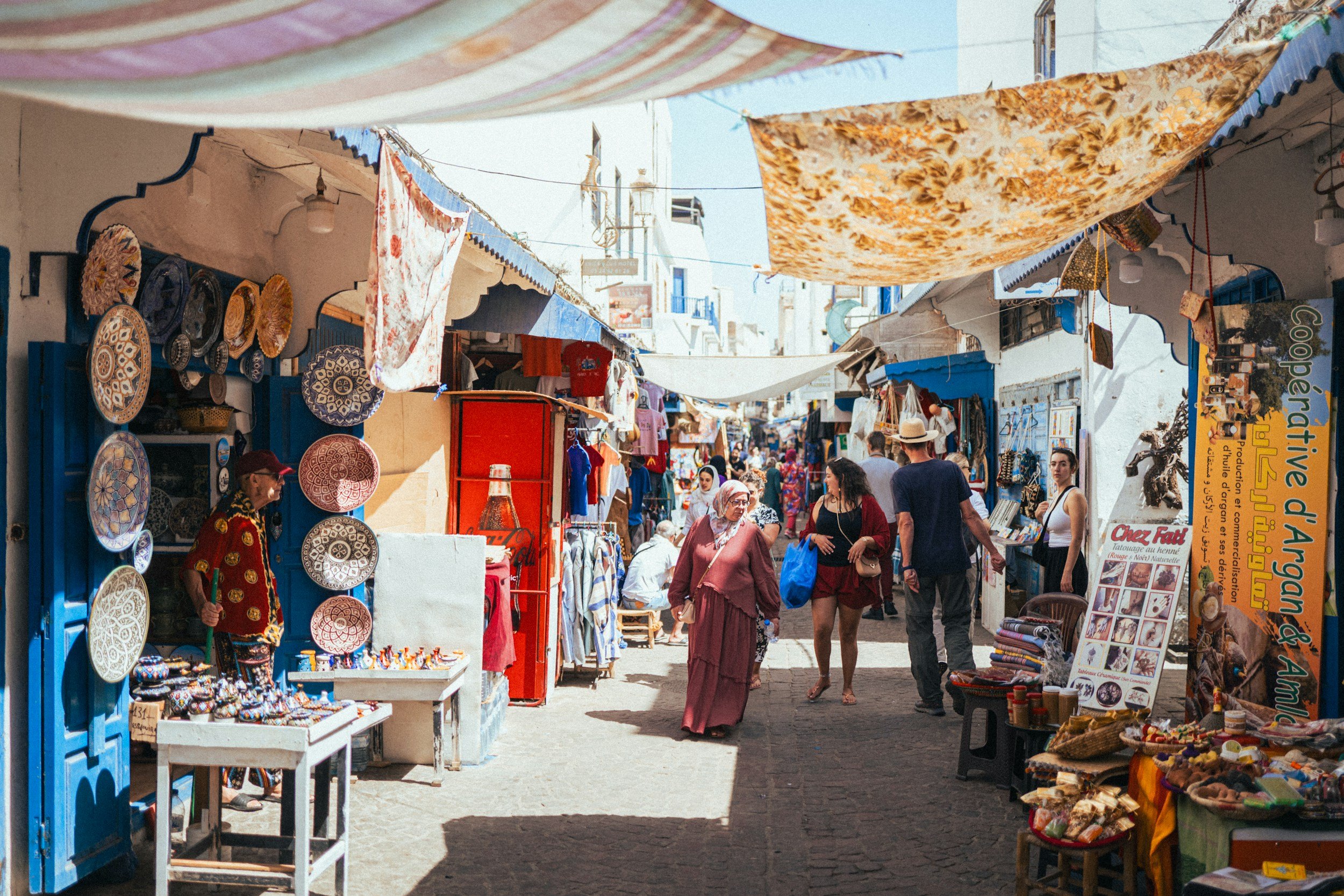
This program is designed for international residents or long-term visitors in Morocco who want to move beyond classroom language learning and into real, everyday communication. Through a combination of guided instruction, immersive field practice, and reflective discussion, participants develop both linguistic competence and the cultural awareness necessary to navigate daily life in Darija.

Rabat Summer Language Intensive Residency Program
The Hikayat Institute 4-week Rabat Language Residency is an immersive, place-based learning experience that brings together language study, cultural engagement, and critical inquiry. Based in Morocco’s capital city, the program invites participants to explore language not only as a system of communication, but as a living reflection of history, identity, and power.
Participants choose a primary language track - Modern Standard Arabic (MSA), Moroccan Darija, or Tamazight - and engage in daily intensive instruction Monday through Friday. These sessions are designed to build practical skills in communication while grounding language learning in real-world contexts.
Beyond the classroom, the program is rooted in lived experience. Students stay in homestays, where everyday interactions including shared meals, conversations, and daily routines become central to the learning process. Afternoons are dedicated to seminars and cultural activities that deepen engagement with Moroccan society, including topics such as language politics, migration, environmental challenges, and human rights, alongside hands-on experiences like cooking, calligraphy, storytelling, music, and craft traditions.
Throughout the program, participants are encouraged to reflect on their role as learners and visitors, engaging Morocco with curiosity, humility, and critical awareness.
Accreditation & Certificates
Hikayat Institute for Language & Society is currently working toward formal accreditation and expanding institutional partnerships to support academic recognition for our programs. At this time, students interested in receiving academic credit should consult directly with their home institution regarding transfer credit policies, independent study arrangements, or experiential learning approval processes.
We are happy to provide supporting documentation related to course hours, program structure, and learning objectives when needed.
Upon completion of a program, students receive a Certificate of Course Completion documenting their participation, language track, and instructional hours completed through Hikayat.